Description
-
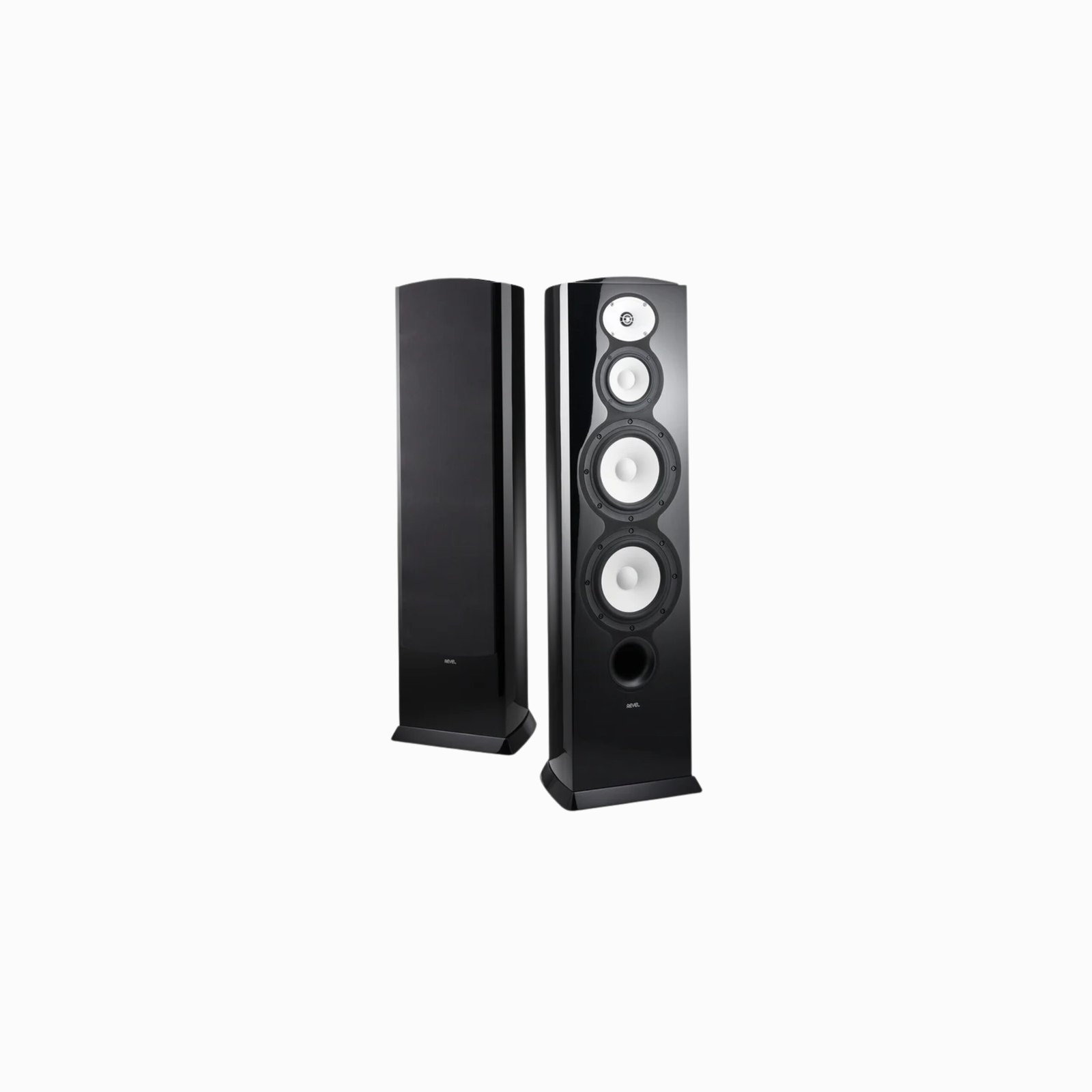
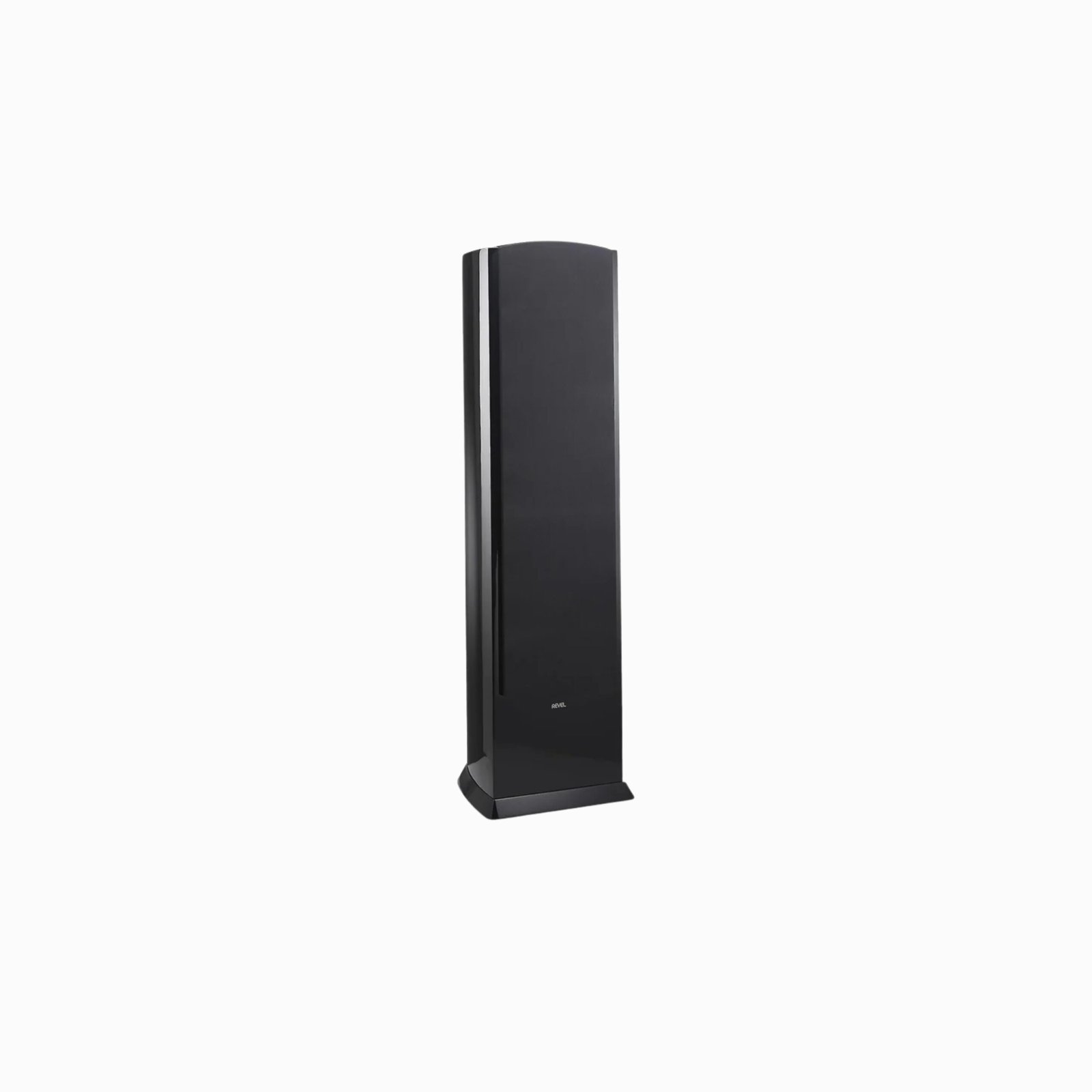
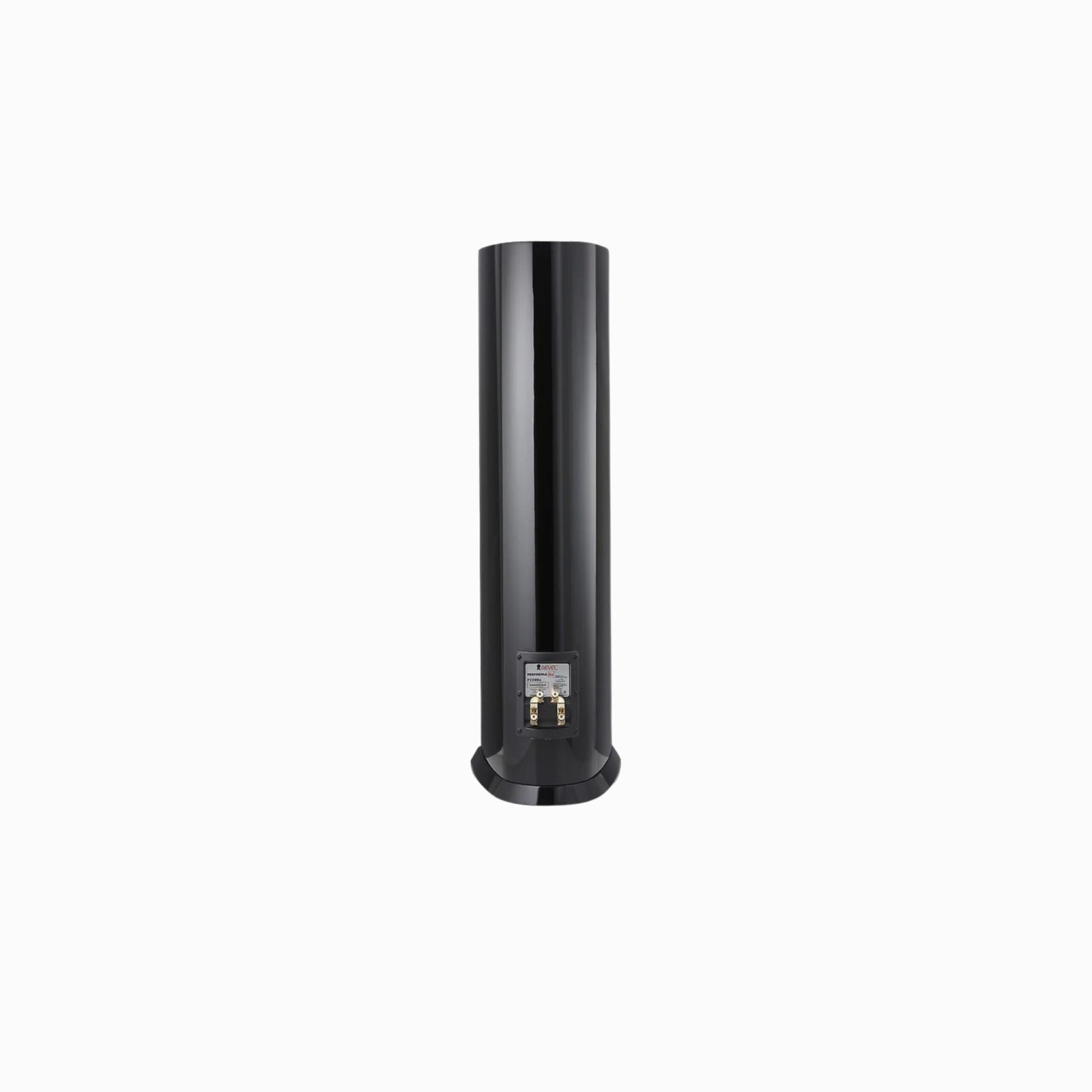
Revel PerformaBe F228Be Floor-standing speaker
Exceptional dynamic range
One mark of a great speaker is its ability to faithfully reproduce every detail of a musical recording, no matter now loud or soft. The F228Be excels at this — and then some. It can play whisper-quiet passages with subtlety and nuance. But it can also belt out super-charged beats and high-energy guitar or sax solos with zeal.
The F228Be offers a wide dynamic range that rivals any of the top-shelf loudspeakers I’ve listened to in recent years.
The magic all starts with the beryllium tweeter
One of the secrets to the F228Be’s great sound is its uniquely designed beryllium tweeter. You may have heard of beryllium back in chemistry class (it proudly carries the atomic number 4 on its virtual nametag).
Beryllium is several times stiffer than aluminum or titanium tweeter diaphragms. And it’s also super-lightweight, so it moves quickly and in a very controlled fashion — two key attributes of a high-quality tweeter. I found that the F228Be created detailed, neutral, and non-fatiguing sound — even at extended high listening levels.
An acoustic lens waveguide for great sound in every seat
One of the best attributes of the F228Be is its off-axis listening. The beryllium tweeter uses an acoustic lens waveguide, which helps it produce remarkably accurate sound, even if you’re sitting off to the side of the “sweet spot.”
Impressively hard-hitting bass and accurate midrange
Revel paired its beryllium tweeter with two 8″ Deep Ceramic Composite (DCC) aluminum cone woofers for deep, tightly controlled bass. A dedicated 5-1/4″ DCC midrange driver bridges this speaker’s lows and highs with smooth, well-blended sound.
Tested by instrument and by ear
Revel’s world-class speaker design and testing facility features an anechoic chamber and the latest high-tech measurement gear. But some of their most critical test instruments are the ears of their trained listening panel. When working on a new design, Revel’s engineers set up a series of controlled auditions comparing their design to several competing speakers.
Speakers under comparison sit on a rotating platform, and each model is moved into the identical position by a computer-controlled belt drive system. An acoustically transparent screen hides the speakers from the listeners to avoid visual bias. These double-blind listening tests provide an essential reality check, and help the engineers correlate measurements with what listeners actually hear and prefer.
Specifications
General
High-Frequency Driver Components1″ Beryllium dome with acoustic lens waveguide Mid-Frequency Driver Components5.25″ DCC aluminium cone with cast frame Low-Frequency Driver ComponentsDual 8″ Deep Ceramic Composite (DCC) Aluminum Cones with cast frames Frequency Response (-6dB)33Hz – 40kHz Low-frequency Extension30 Hz (-10dB); 33 Hz (-6dB); 44 Hz (-3dB) Recommended Amplifier Power50 – 350 Watts RMS Crossover Frequencies260Hz; 2.1kHz Nominal Impedance8 Ohms Sensitivity90dB (2.83V @1M) Dimensions (H X W X D)46.6″ x 13.5″ x 14.8″ (1182.5mm x 341.8mm x 375.3mm) Net Weight82 lbs / 37.2kg Audio
High-Frequency Driver Components1″ Beryllium dome with acoustic lens waveguide Mid-Frequency Driver Components5.25″ DCC aluminium cone with cast frame Low-Frequency Driver ComponentsDual 8″ Deep Ceramic Composite (DCC) Aluminum Cones with cast frames Frequency Response (-6dB)27Hz – 44kHz Recommended Amplifier Power50 – 350 Watts Crossover Frequencies260Hz; 2.1kHz Nominal Impedance8 Ohms Sensitivity90dB (2.83V @1M) Dimensions (H X W X D)46.6″ x 13.5″ x 14.8″ (1182.5mm x 341.8mm x 375.3mm) Net Weight82 lbs / 37.2kg